
Cihangir Mosque in Nicosia
Nestled in the heart of Nicosia, the Cihangir Mosque stands as a testament to the rich cultural and historical tapestry of Cyprus. This captivating structure, with its unique architectural charm and deep spiritual significance, is a must-visit destination for travelers exploring the island’s capital. Whether you’re a history enthusiast, an architecture lover, or simply someone seeking tranquility, the Cihangir Mosque offers an experience that lingers in your memory long after your visit. In this article, we’ll delve into the fascinating history, architectural beauty, and cultural importance of this iconic mosque while keeping SEO principles in mind to make the content easily accessible for readers.
A Brief History of Cihangir Mosque
The Cihangir Mosque, also known as “Cihangir Camii,” has a story that intertwines with the history of Cyprus itself. Built during the Ottoman era, the mosque was named after Prince Cihangir, the son of Sultan Suleiman the Magnificent. The Ottomans, who ruled Cyprus from 1571 until the late 19th century, left an indelible mark on the island’s cultural and architectural landscape, and the Cihangir Mosque is a shining example of their legacy.
The mosque was constructed on the ruins of an older structure, believed to have been a church during the Lusignan or Venetian period. This transformation from a Christian place of worship to an Islamic one reflects the island’s historical shifts in power and culture. Today, the Cihangir Mosque serves as both a functioning place of worship and a historical monument, attracting visitors from around the world.
Architectural Features of Cihangir Mosque
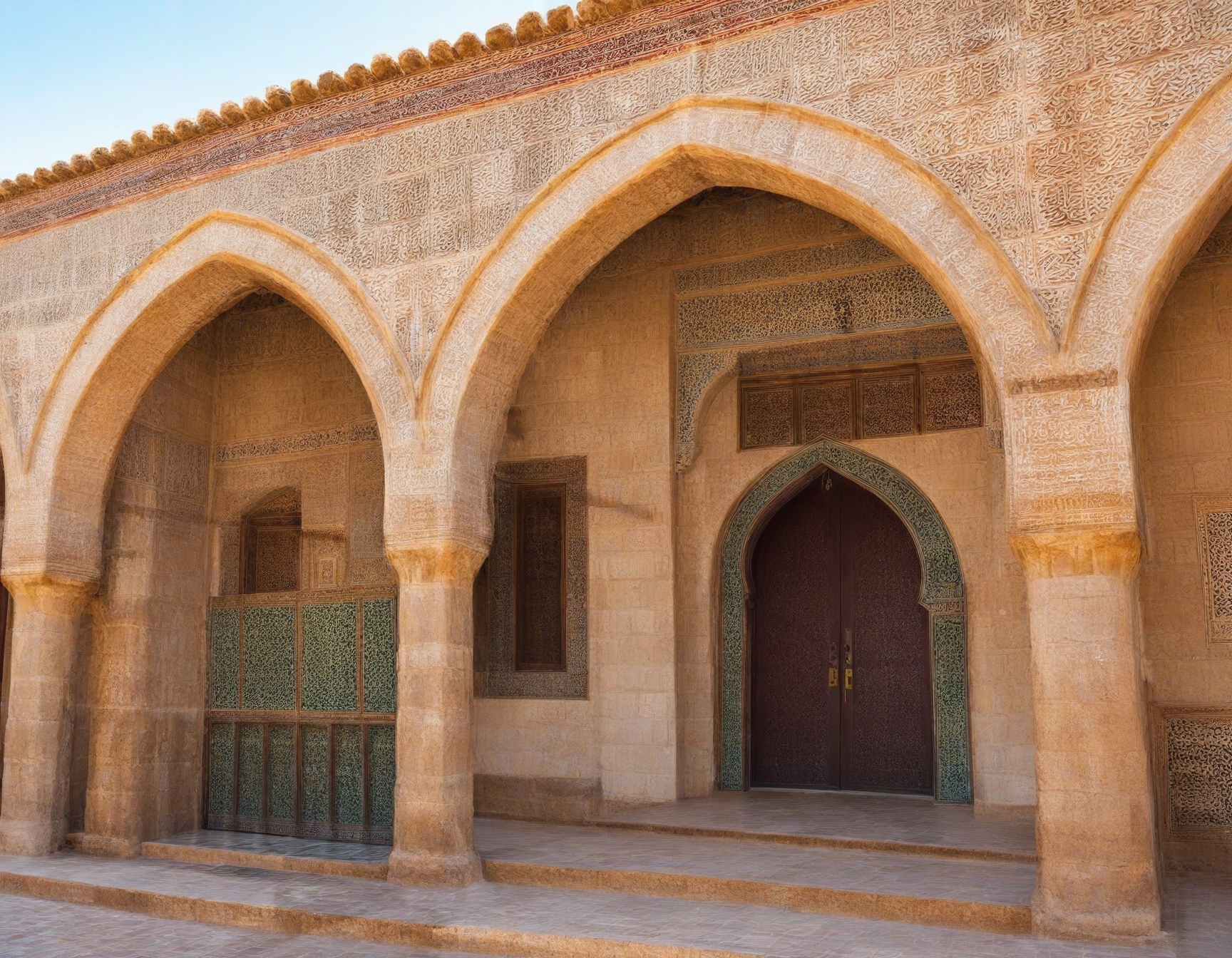
One of the most striking aspects of the Cihangir Mosque is its architecture. The mosque embodies the Ottoman architectural style, which seamlessly blends simplicity with elegance. Its modest size and understated design exude a sense of humility and spirituality, making it a peaceful retreat from the bustling streets of Nicosia.
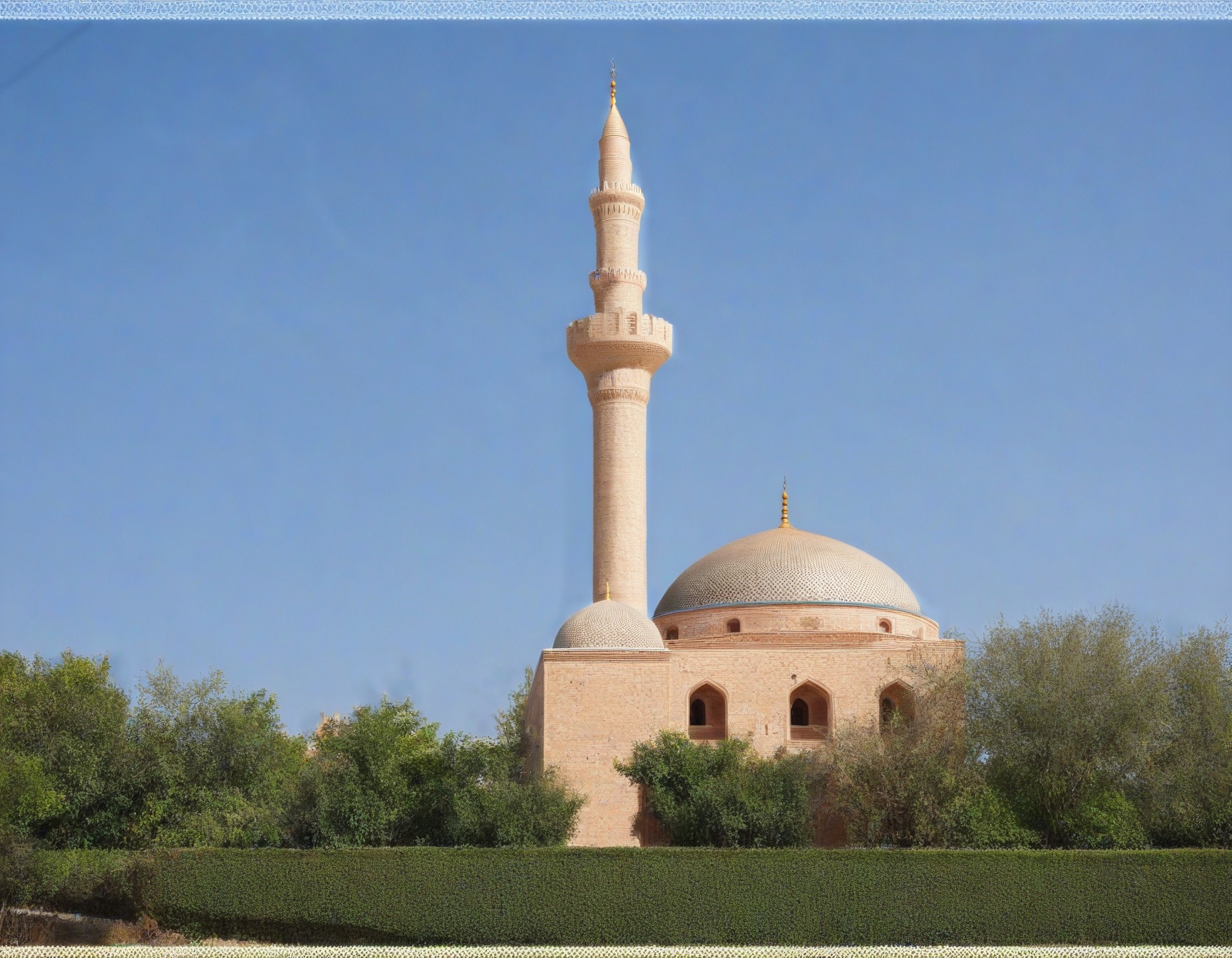
The mosque features a single dome and a slender minaret, typical of Ottoman mosques. The interior is adorned with intricate calligraphy and geometric patterns that reflect Islamic artistic traditions. Natural light filters through carefully placed windows, creating a serene ambiance that enhances the spiritual experience for worshippers and visitors alike.
The courtyard of the mosque is another highlight. Surrounded by lush greenery and shaded by ancient trees, it offers a tranquil space for reflection and relaxation. The stone-paved pathways and traditional water fountain in the courtyard add to its charm, making it an ideal spot for photography enthusiasts.
Cultural and Spiritual Importance
The Cihangir Mosque is not just an architectural marvel; it is also a vital part of Nicosia’s cultural and spiritual fabric. For centuries, it has served as a place of worship for the local Muslim community. Its role as a religious center has helped preserve Islamic traditions and practices on an island known for its diverse religious heritage.
In addition to its spiritual significance, the mosque is a symbol of coexistence and cultural exchange. Cyprus has long been a melting pot of civilizations, and the Cihangir Mosque stands as a reminder of the island’s ability to embrace its multifaceted identity. Visitors often note the sense of harmony they feel when exploring this historical site.
Visiting Cihangir Mosque: What You Need to Know
If you’re planning to visit Nicosia, adding the Cihangir Mosque to your itinerary is highly recommended. Here are some tips to make the most of your visit:
1. **Location**: The mosque is located in the northern part of Nicosia, within walking distance of other historical landmarks such as Selimiye Mosque (formerly St. Sophia Cathedral) and Büyük Han (Great Inn). Its central location makes it easy to include in a day of sightseeing.
2. **Visiting Hours**: As an active place of worship, the mosque welcomes visitors outside prayer times. Be sure to check local schedules or inquire on-site to plan your visit accordingly.
3. **Dress Code**: Modest attire is required when entering the mosque. Women are advised to bring a scarf to cover their heads as a sign of respect.
4. **Photography**: While photography is generally allowed in the courtyard and exterior areas, it’s always polite to ask for permission before taking pictures inside.
5. **Guided Tours**: To fully appreciate the history and significance of the Cihangir Mosque, consider joining a guided tour. Many local guides offer insightful commentary on Nicosia’s historical landmarks, including this hidden gem.
Why You Should Visit Cihangir Mosque
The Cihangir Mosque offers more than just a glimpse into Nicosia’s past; it provides an opportunity to connect with the island’s rich cultural heritage on a deeper level. Its serene atmosphere makes it an ideal spot for quiet contemplation, while its historical significance appeals to those with a passion for learning about different cultures.
Moreover, visiting the mosque allows you to experience firsthand how Cyprus has evolved over centuries while maintaining its unique identity. The blending of Ottoman, Venetian, and Lusignan influences in Nicosia’s architecture is truly remarkable, and the Cihangir Mosque is a shining example of this fusion.
The Cihangir Mosque in Nicosia is more than just a place of worship; it is a living piece of history that tells the story of Cyprus’s diverse cultural heritage. Its stunning architecture, peaceful ambiance, and rich historical background make it a must-visit destination for anyone exploring Nicosia.
Whether you’re drawn to its spiritual significance or its historical allure, this hidden gem will leave you with a profound appreciation for the island’s unique blend of cultures. So, when you find yourself wandering through the streets of Nicosia, take a moment to step into the serene world of the Cihangir Mosque—you won’t regret it.
Post Comment