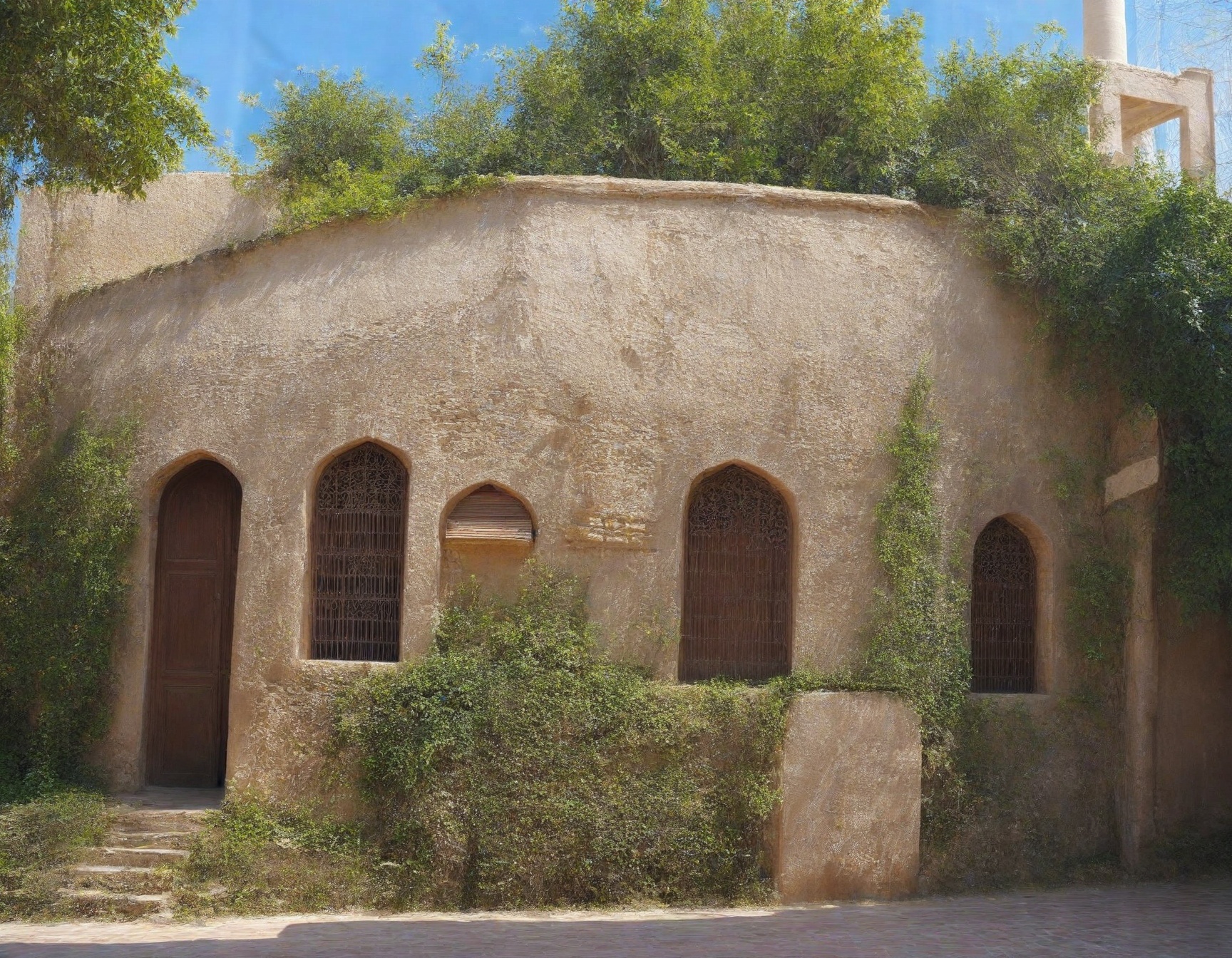
Tophane Mosque in Nicosia
Nestled in the heart of Nicosia, the Haydar Pasha Mosque stands as a testament to the rich and diverse history of Cyprus. This iconic structure, with its unique blend of architectural styles and cultural significance, tells a story that spans centuries. From its origins as a Christian church to its transformation into a mosque, this landmark has become a symbol of the island’s layered heritage. Let’s dive into the fascinating history and features of this remarkable site.
A Journey Through Time
Originally built as a Gothic-style cathedral during the Lusignan period, the Haydar Pasha Mosque was first known as Saint Catherine’s Church. Constructed in the 14th century, its design reflected the influence of European Gothic architecture that was prevalent during the Crusader era. The cathedral served as a Christian place of worship for several centuries, hosting significant religious ceremonies and gatherings.
However, the course of history took a dramatic turn in 1571 when the Ottoman Empire conquered Cyprus. The island underwent significant cultural and religious transformations under Ottoman rule, and many churches, including Saint Catherine’s, were converted into mosques. Renamed Haydar Pasha Mosque, this structure became an important center for Islamic worship in Nicosia.
Architectural Marvels
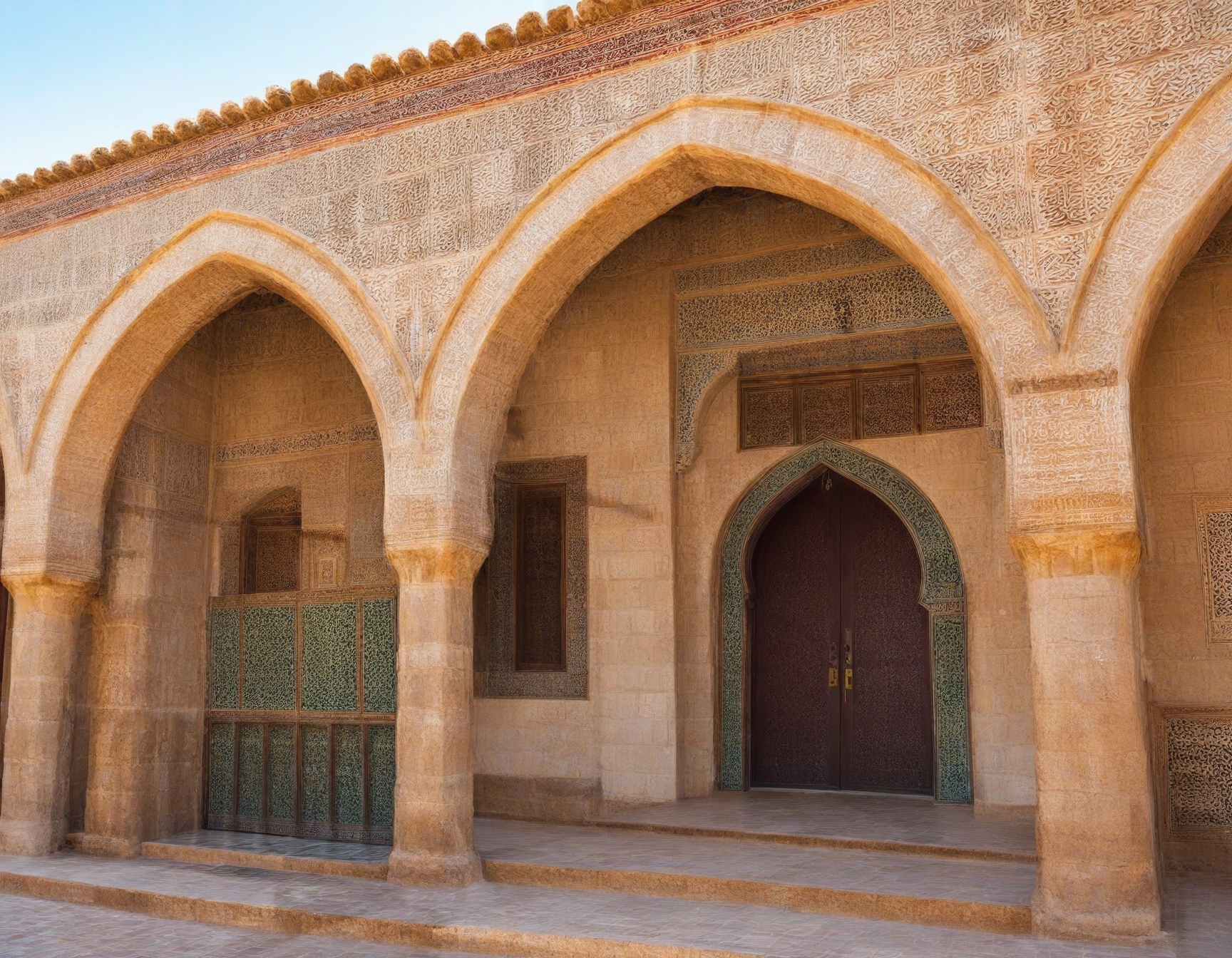
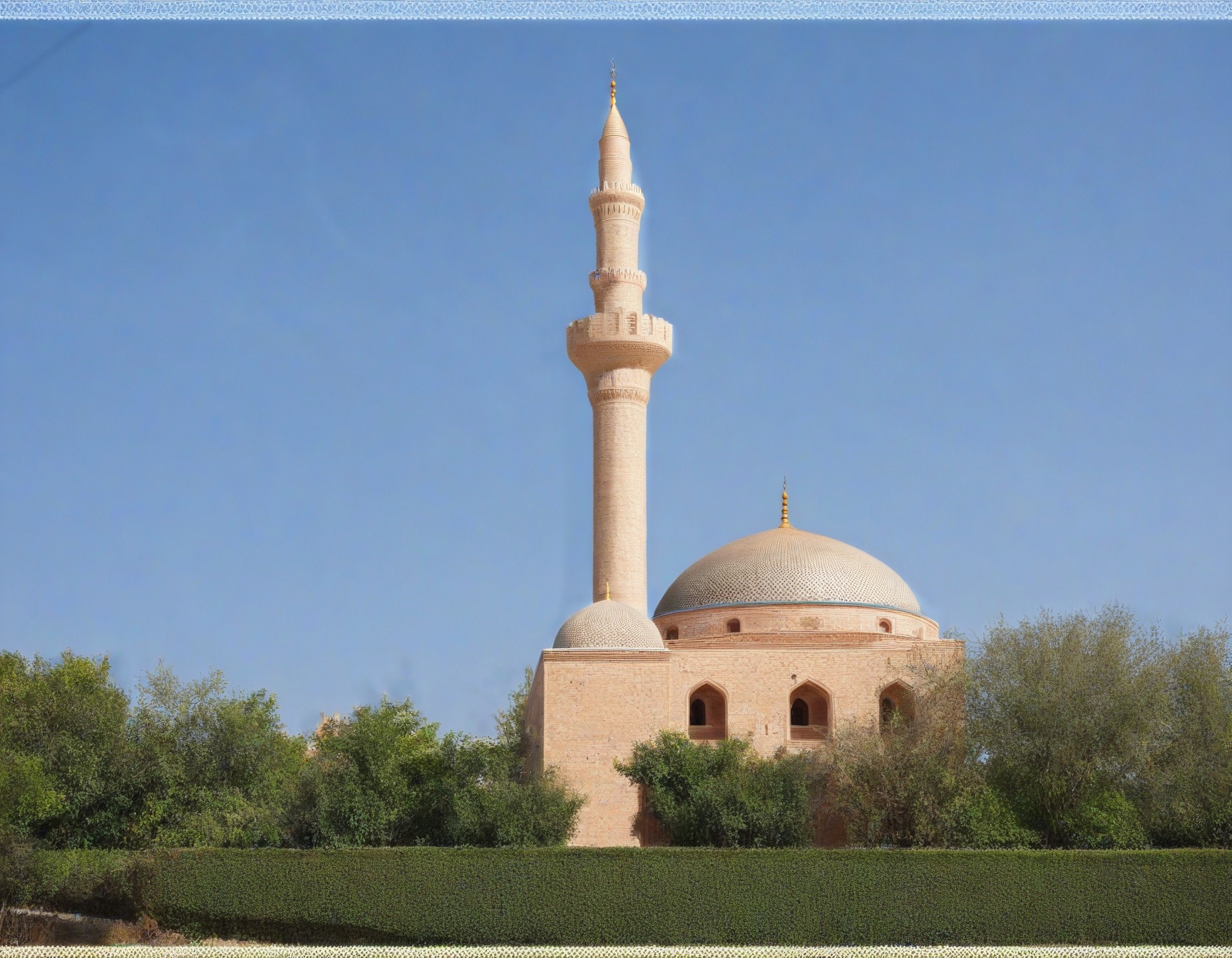
One of the most striking aspects of the Haydar Pasha Mosque is its architecture. Despite its conversion into a mosque, much of the original Gothic design remains intact, creating an intriguing fusion of styles. The pointed arches, ribbed vaults, and intricate stone carvings are characteristic of Gothic craftsmanship, while the addition of Islamic elements such as a mihrab (a niche indicating the direction of Mecca) and minaret reflect its later use as a mosque.
The exterior of the building is adorned with detailed stonework that showcases the skill of medieval artisans. The large windows with tracery allow natural light to filter into the interior, creating an ethereal atmosphere. Inside, visitors can admire the high vaulted ceilings and spacious layout that highlight the grandeur of this historic structure.
Cultural Significance
The Haydar Pasha Mosque is more than just an architectural gem; it is also a cultural landmark that embodies the island’s complex history. Its dual identity as both a church and a mosque symbolizes the coexistence of different civilizations and religions in Cyprus over the centuries. This site serves as a reminder of how cultural exchange and adaptation have shaped the island’s identity.
Today, the mosque is not only a place of worship but also a popular destination for tourists and history enthusiasts. Its central location in Nicosia makes it easily accessible for those exploring the city’s old town. Visitors are often captivated by its serene ambiance and the stories embedded within its walls.
A Hub for Exploration
The area surrounding Haydar Pasha Mosque is equally enchanting. Located in the walled city of Nicosia, this neighborhood is steeped in history and charm. Narrow cobblestone streets lead to bustling markets, quaint cafes, and other historical landmarks. The juxtaposition of old-world architecture with modern urban life creates a vibrant atmosphere that appeals to locals and visitors alike.
While exploring the vicinity, don’t miss out on other nearby attractions such as Büyük Han (the Great Inn), an Ottoman-era caravanserai that has been beautifully restored and repurposed as a cultural center. The Selimiye Mosque, another converted Gothic cathedral, is also within walking distance and offers further insight into Nicosia’s architectural evolution.
Tips for Visitors
If you’re planning to visit Haydar Pasha Mosque, there are a few practical tips to keep in mind. First, remember that this is an active place of worship, so it’s important to dress respectfully and observe local customs. Modest clothing is recommended, and women may be required to cover their heads when entering.
Photography is generally allowed, but it’s always courteous to ask for permission before taking pictures inside. Additionally, visiting during off-peak hours can enhance your experience by allowing you to explore the site without large crowds.
For history buffs, hiring a local guide can provide deeper insights into the mosque’s past and its significance within the broader context of Cypriot history. Guided tours often include fascinating anecdotes and lesser-known details that bring the site to life.
Preserving Heritage
Efforts have been made over the years to preserve the Haydar Pasha Mosque and maintain its historical integrity. Restoration projects have focused on protecting both its Gothic features and Islamic additions, ensuring that this landmark continues to inspire future generations. The mosque stands as a symbol of resilience and adaptability, reflecting how cultural heritage can evolve while retaining its essence.
The Haydar Pasha Mosque in Nicosia is more than just a historical building; it is a bridge between different eras, cultures, and faiths. Its transformation from Saint Catherine’s Church to an Islamic mosque encapsulates the dynamic history of Cyprus and its role as a crossroads of civilizations.
Whether you’re an architecture enthusiast, a history lover, or simply someone seeking a peaceful retreat in the midst of a bustling city, this site offers something for everyone. A visit to Haydar Pasha Mosque is not just an exploration of a single structure but an invitation to delve into the rich tapestry of Nicosia’s past. So next time you find yourself on this beautiful Mediterranean island, make sure to add this remarkable landmark to your itinerary—you won’t be disappointed!
Post Comment