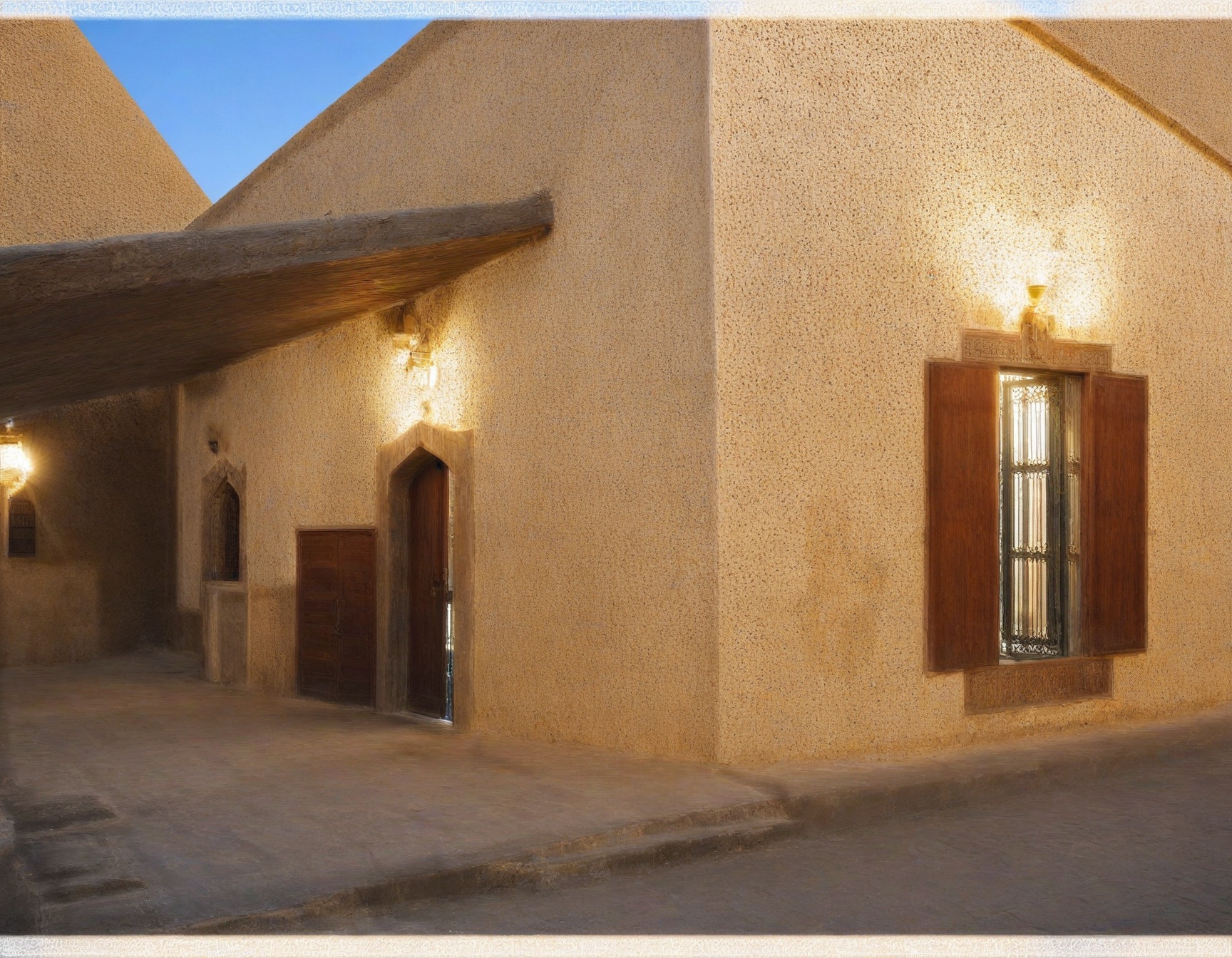
Beykoy Mosque in Nicosia
Nestled in the heart of Nicosia, the Beykoy Mosque stands as a captivating symbol of cultural heritage, architectural beauty, and spiritual significance. While often overshadowed by more prominent landmarks in the region, this mosque has a unique charm that makes it a must-visit for history enthusiasts, architecture admirers, and travelers seeking an authentic experience. In this article, we’ll delve into the fascinating history, architectural features, and cultural importance of the Beykoy Mosque, all while adhering to SEO-friendly guidelines to ensure you find the information you’re looking for.
A Brief History of Beykoy Mosque
The Beykoy Mosque is steeped in history, reflecting the diverse cultural influences that have shaped Nicosia over centuries. Built during the Ottoman period, the mosque is a testament to the Islamic architectural styles that flourished across Cyprus during this era. The Ottomans, who ruled Cyprus from 1571 to 1878, left behind a legacy of mosques, baths, and other structures that continue to enrich the island’s cultural tapestry.
While the exact construction date of the Beykoy Mosque remains uncertain, historical records suggest that it was established to serve the Muslim community in a small village setting. Over time, as Nicosia expanded and modernized, the mosque became an integral part of the city’s spiritual and cultural landscape.
Architectural Features of Beykoy Mosque
One of the most striking aspects of Beykoy Mosque is its architectural design. The mosque embodies a blend of simplicity and elegance, characteristic of Ottoman-era religious structures. Its modest size and unassuming exterior make it a peaceful retreat from the bustling streets of Nicosia.
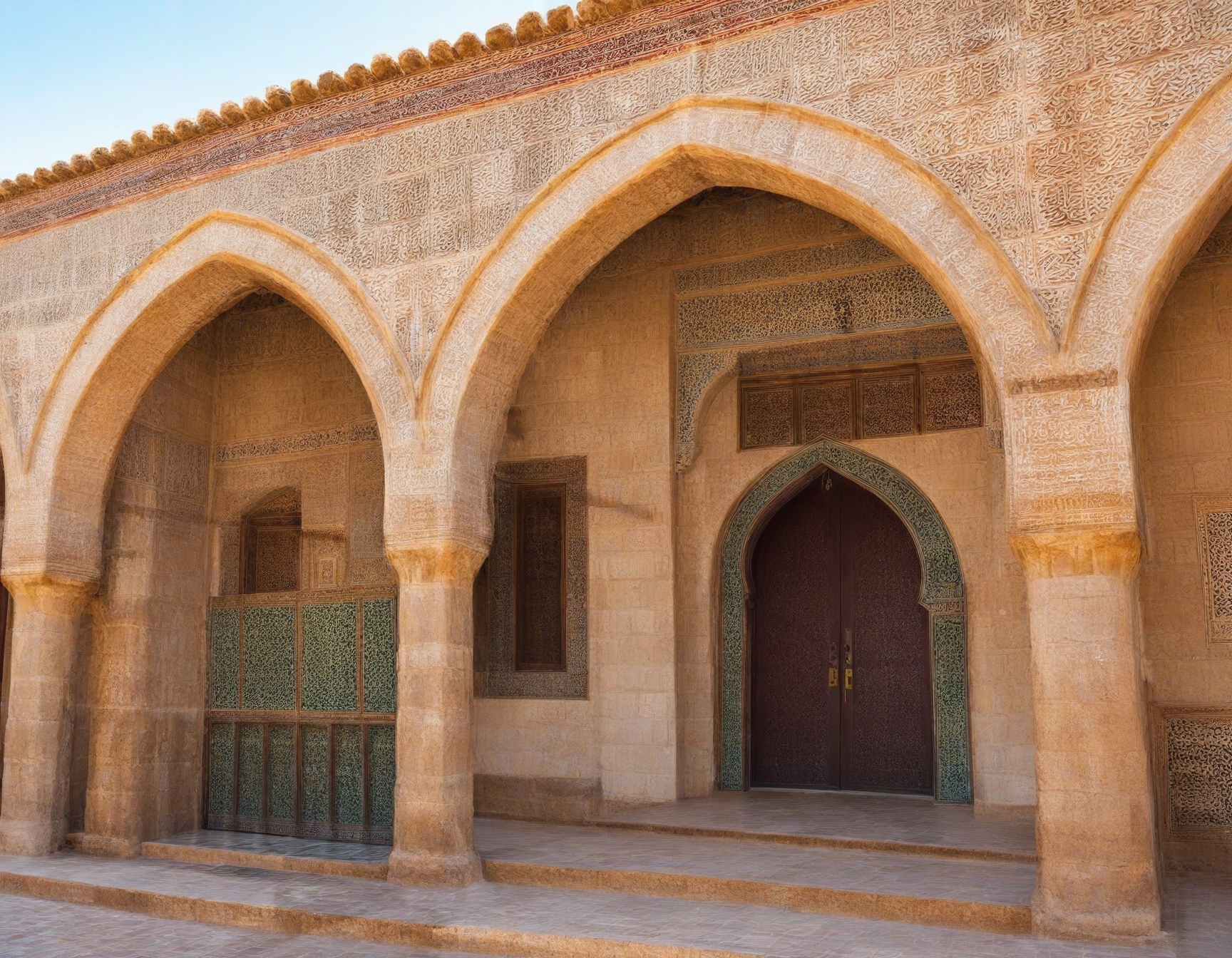
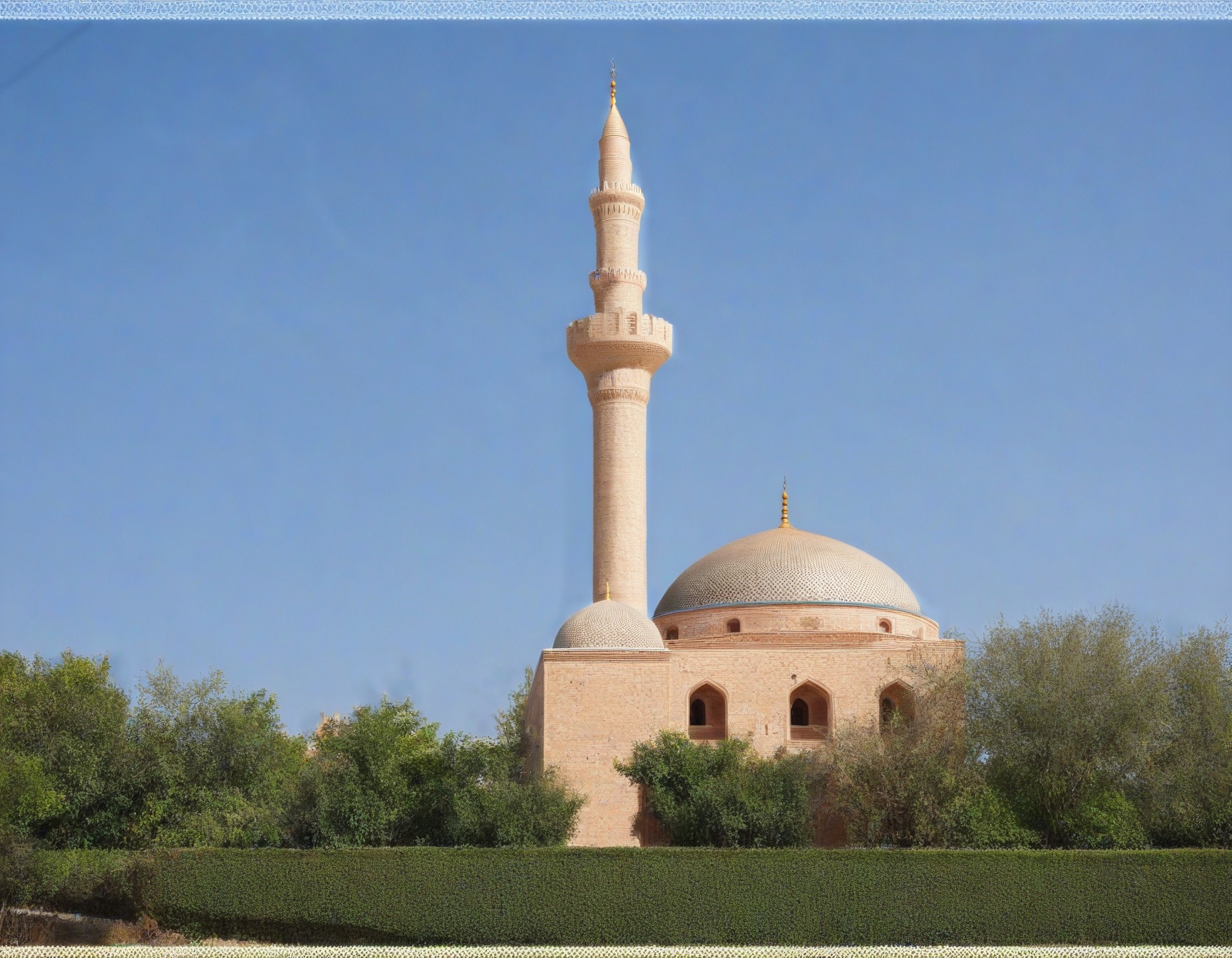
The mosque’s façade features clean lines and traditional stonework, showcasing the craftsmanship of its builders. A single minaret rises gracefully alongside the structure, offering a classic silhouette against the Mediterranean sky. The minaret’s design is both functional and symbolic, serving as a call to prayer and a reminder of faith for the local Muslim community.
Inside, the mosque exudes a serene ambiance. The prayer hall is adorned with intricate yet understated decorations, including geometric patterns and calligraphy that reflect Islamic art traditions. The mihrab (a niche indicating the direction of Mecca) and minbar (a pulpit used for sermons) are crafted with attention to detail, emphasizing the spiritual purpose of the space. Natural light filters through small windows, creating a tranquil atmosphere for worship and reflection.
Cultural Significance of Beykoy Mosque
The Beykoy Mosque is more than just an architectural marvel; it is a living testament to the multicultural history of Cyprus. As one of the many mosques built during Ottoman rule, it represents a period when Islamic culture and traditions became an integral part of the island’s identity.
Over the years, the mosque has served as a gathering place for the local Muslim community, fostering a sense of unity and belonging. It has also become a symbol of coexistence in Nicosia, a city known for its blend of Greek Cypriot and Turkish Cypriot cultures. The mosque’s enduring presence highlights the importance of preserving historical landmarks as bridges between past and present.
Visiting Beykoy Mosque: What You Need to Know
If you’re planning a trip to Nicosia, adding Beykoy Mosque to your itinerary is highly recommended. Here are some tips to make the most of your visit:
1. **Location:** The mosque is situated in a quieter part of Nicosia, making it an ideal spot for those who want to escape the crowds and explore a more serene side of the city. Be sure to check local maps or ask for directions to ensure you find it easily.
2. **Dress Code:** As with any place of worship, visitors are expected to dress modestly when entering the mosque. Women may be required to cover their heads with a scarf, and both men and women should wear clothing that covers their shoulders and knees.
3. **Timing:** The mosque is open to visitors outside of prayer times. To avoid disrupting worshippers, plan your visit during mid-morning or early afternoon hours.
4. **Respect:** Remember that Beykoy Mosque is an active place of worship. Maintain a respectful demeanor by speaking quietly and refraining from taking photos during prayer sessions.
5. **Explore Nearby Attractions:** While in Nicosia, take the opportunity to explore other historical sites such as Selimiye Mosque (formerly St. Sophia Cathedral), Buyuk Han, and the Venetian Walls. Each offers a unique glimpse into the city’s rich history and cultural diversity.
Why Beykoy Mosque Deserves More Attention
Despite its historical and cultural significance, Beykoy Mosque remains relatively unknown compared to other landmarks in Nicosia. This underappreciation makes it all the more special for those who seek out hidden gems during their travels. Visiting this mosque allows you to connect with a piece of history that has quietly stood the test of time, away from the crowds and commercialized tourist spots.
Moreover, supporting lesser-known sites like Beykoy Mosque contributes to sustainable tourism by spreading visitor traffic more evenly across a destination. It also encourages local communities to continue preserving these invaluable landmarks for future generations.
The Beykoy Mosque in Nicosia is more than just a place of worship—it’s a cultural treasure that encapsulates centuries of history and tradition. From its elegant architecture to its role in fostering community spirit, this mosque offers visitors a chance to experience a quieter yet equally enriching side of Nicosia’s heritage.
Whether you’re a history buff, an architecture enthusiast, or simply someone looking for a meaningful travel experience, Beykoy Mosque should undoubtedly be on your list. Take the time to explore this hidden gem and discover the stories it has to tell—you won’t be disappointed.
Post Comment