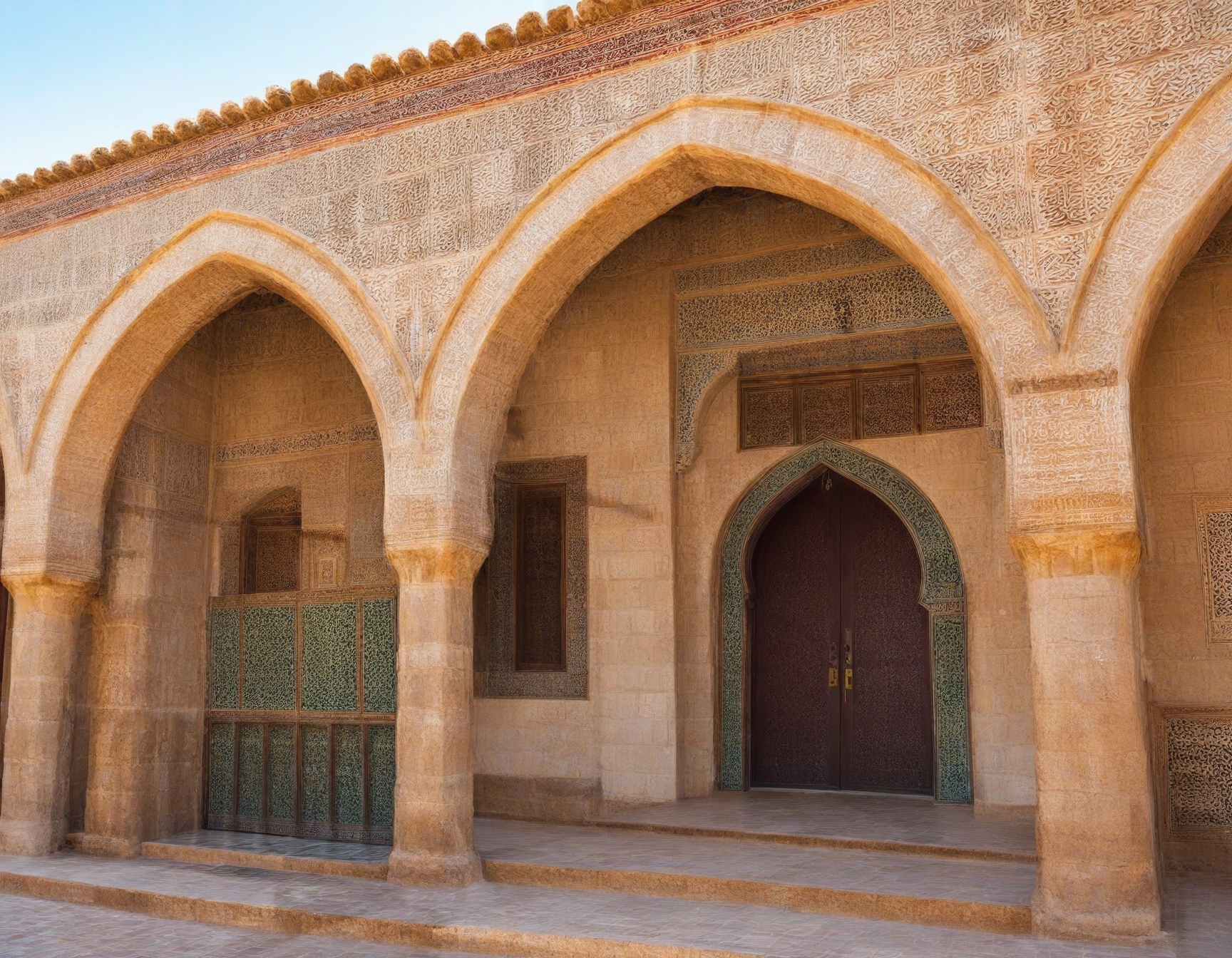
Fethiye Turunclu Mosque in Nicosia
Nestled in the heart of Nicosia, Cyprus, the Fethiye Turunclu Mosque stands as a fascinating testament to the island’s rich cultural and historical heritage. This iconic mosque, also known as the Turunclu Fethiye Mosque, is an architectural jewel that reflects the Ottoman influence on the region. With its intricate design, serene ambiance, and historical significance, it has become a notable landmark for both locals and tourists seeking to explore the diverse history of Nicosia. In this article, we delve into the story behind this remarkable mosque, its architectural features, and why it’s a must-visit destination for history enthusiasts and cultural explorers alike.
A Glimpse into History: The Origins of Fethiye Turunclu Mosque
The Fethiye Turunclu Mosque has its roots in the Ottoman era, a period when Cyprus was under Ottoman rule (1571–1878). The name “Fethiye” translates to “Mosque of Conquest,” reflecting the Ottoman tradition of renaming or establishing places of worship in newly conquered territories. The term “Turunclu” is believed to refer to the citrus trees that once surrounded the area, adding a natural charm to the mosque’s location.
While the exact date of its construction remains uncertain, it is widely believed that the mosque was built in the late 16th or early 17th century. Like many other Ottoman-era mosques, it served not only as a place of worship but also as a community hub where people gathered for education, social activities, and important discussions.
Architectural Splendor: A Blend of Tradition and Elegance**
The Fethiye Turunclu Mosque is a striking example of Ottoman architecture, characterized by its simplicity, functionality, and elegance. Its design showcases the harmonious blend of Islamic architectural elements with local Cypriot influences, making it a unique structure that stands out in Nicosia’s urban landscape.
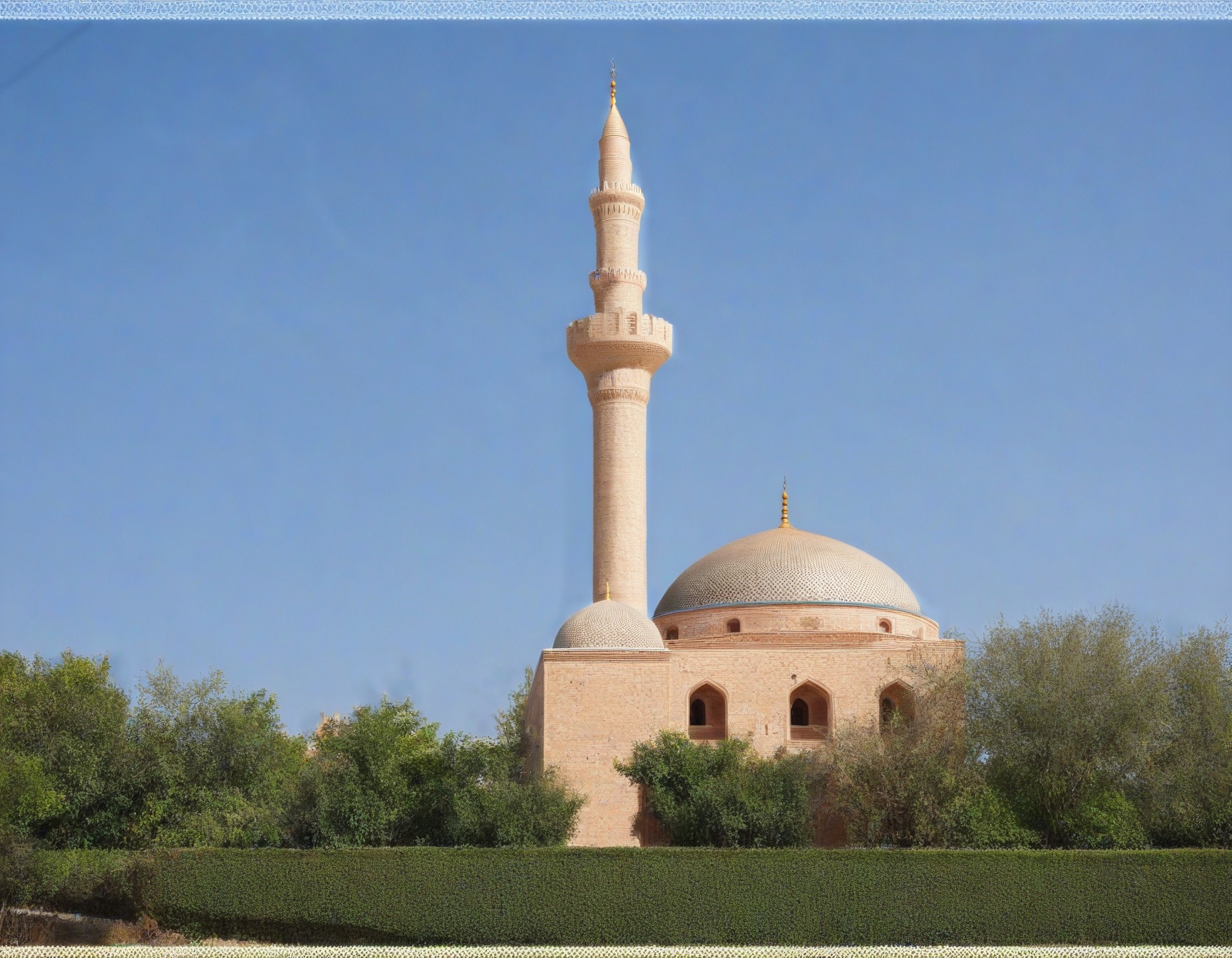
The mosque features a rectangular prayer hall with a flat roof supported by wooden beams. The interior is adorned with minimalistic yet beautiful decorative motifs that reflect Islamic art’s emphasis on geometry and symmetry. A key highlight of the mosque is its mihrab—a semicircular niche in the wall that indicates the direction of Mecca—crafted with exquisite detail. The minaret, a signature feature of Ottoman mosques, towers gracefully above the structure, offering a panoramic view of the surrounding area.
The use of local stone and traditional construction techniques adds to the mosque’s charm. Despite its modest size, the Fethiye Turunclu Mosque exudes a sense of tranquility and spiritual serenity that captivates visitors.
Cultural Significance: A Symbol of Coexistence
As a historical landmark, the Fethiye Turunclu Mosque holds immense cultural significance in Nicosia. It serves as a reminder of Cyprus’s diverse past, where different civilizations left their mark on the island. The mosque stands as a symbol of coexistence and cultural exchange, reflecting how various traditions have shaped the identity of Nicosia over centuries.
Today, the mosque continues to function as a place of worship for the local Muslim community. It also attracts visitors from around the world who are eager to learn about Cyprus’s Ottoman heritage and explore its architectural treasures. The mosque’s enduring presence highlights the importance of preserving historical monuments as bridges between past and present.
A Must-Visit Destination in Nicosia
If you’re planning a trip to Nicosia, adding the Fethiye Turunclu Mosque to your itinerary is highly recommended. Whether you’re a history buff, an architecture enthusiast, or simply someone who appreciates serene spaces, this mosque offers a memorable experience.
Visitors can take a guided tour to learn about the mosque’s history and significance or simply enjoy its peaceful atmosphere. The surrounding area is also worth exploring, with narrow streets lined with traditional houses and local shops that give you a glimpse into Nicosia’s vibrant culture.
Make sure to visit during prayer times if you want to witness the mosque in use, but remember to be respectful of local customs and traditions. Modest attire is recommended for all visitors entering the mosque.
Preserving History for Future Generations
The Fethiye Turunclu Mosque stands as a living testament to Nicosia’s rich history and cultural diversity. Efforts have been made to preserve this historic site, ensuring that future generations can continue to admire its beauty and learn about its significance. Restoration projects have focused on maintaining the mosque’s original features while addressing structural challenges caused by time and weather.
Local authorities and cultural organizations have also worked to promote awareness about the mosque’s importance. By visiting and supporting such sites, travelers can contribute to these preservation efforts and help keep history alive.
The Fethiye Turunclu Mosque is more than just a place of worship; it is a window into Nicosia’s past and a symbol of cultural harmony. Its architectural beauty, historical significance, and serene ambiance make it one of Nicosia’s most cherished landmarks. Whether you’re exploring Cyprus for its historical sites or seeking moments of tranquility in a bustling city, this mosque offers an experience that is both enriching and inspiring.
So next time you find yourself in Nicosia, don’t miss the opportunity to visit the Fethiye Turunclu Mosque. Immerse yourself in its history, marvel at its architecture, and reflect on the stories it has witnessed over centuries. It’s a journey through time that you won’t soon forget.
By including this historic gem in your travel plans, you’ll not only gain insight into Cyprus’s Ottoman heritage but also leave with a deeper appreciation for the cultural tapestry that defines this remarkable island.

Post Comment