
Lala Mustafa Pasha Mosque in Fagamusta
Nestled in the heart of Famagusta, a city steeped in history on the eastern coast of Cyprus, stands the magnificent Lala Mustafa Pasha Mosque. This iconic structure, with its fascinating blend of Gothic and Islamic architectural styles, is a testament to the island’s rich cultural and historical tapestry. Known for its striking design and storied past, the mosque is a must-visit destination for history enthusiasts, architecture lovers, and travelers seeking to explore the unique heritage of Cyprus.
A Journey Back in Time
The Lala Mustafa Pasha Mosque was originally constructed as a Christian cathedral during the Lusignan period in the late 13th century. Known then as the Cathedral of Saint Nicholas, it was built to serve as a place of worship for the Roman Catholic community in Famagusta. The cathedral’s design was heavily influenced by the Gothic architecture of mainland Europe, particularly France, and its intricate details bear a striking resemblance to the famous Reims Cathedral.
The structure was consecrated in 1328 and soon became a significant religious center. It was here that the Lusignan kings of Cyprus were crowned as kings of Jerusalem, adding to its historical importance. However, the tides of history brought significant changes to this majestic building.
In 1571, following the Ottoman conquest of Cyprus, the cathedral was converted into a mosque. Renamed in honor of Lala Mustafa Pasha, the Ottoman commander who led the siege of Famagusta, the transformation marked a new chapter in the building’s history. The conversion involved removing or altering Christian symbols and incorporating Islamic elements, such as the addition of a minaret and a mihrab (prayer niche). Despite these changes, much of the original Gothic architecture remains intact, creating a fascinating fusion of styles that continues to captivate visitors.
Architectural Marvel
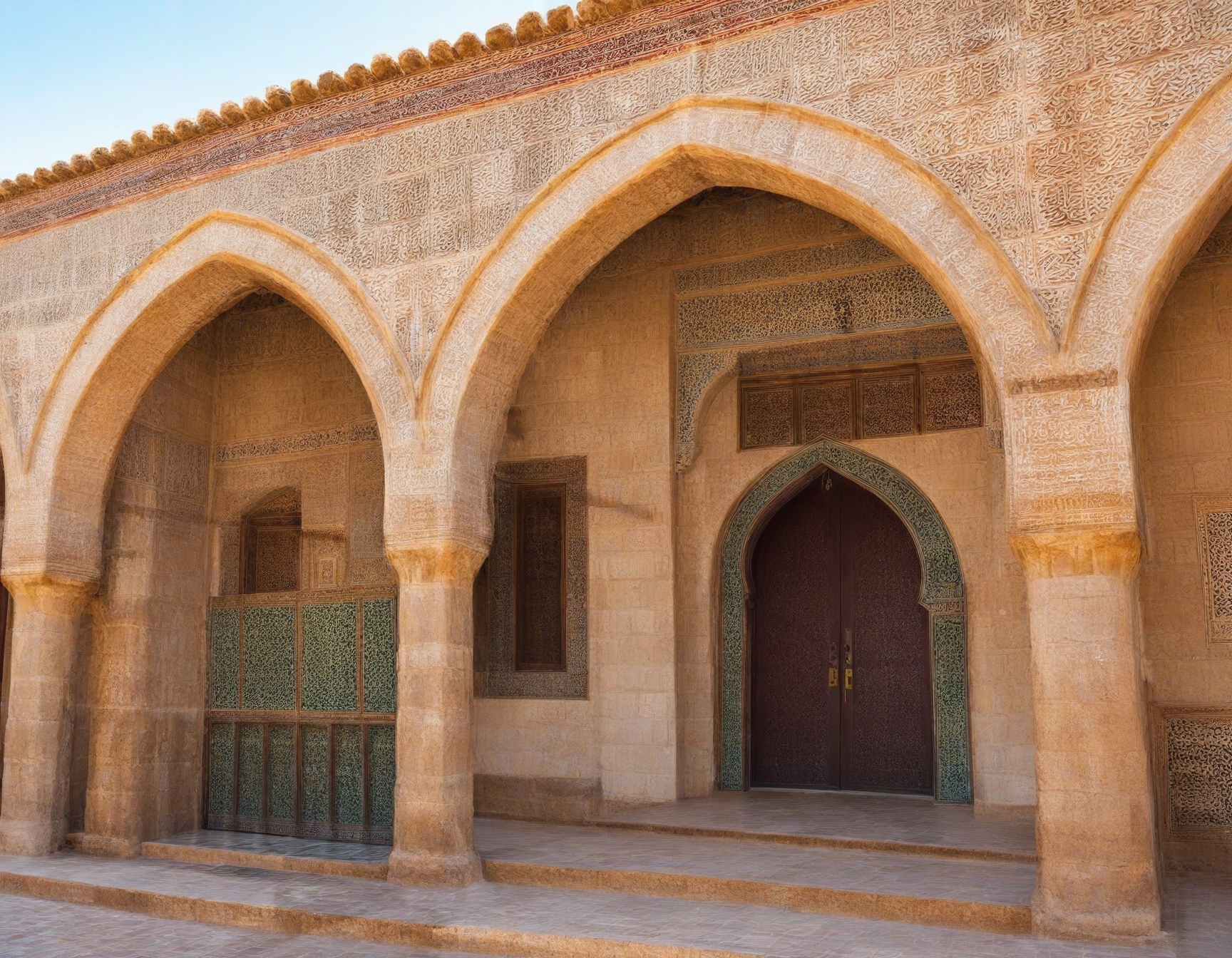
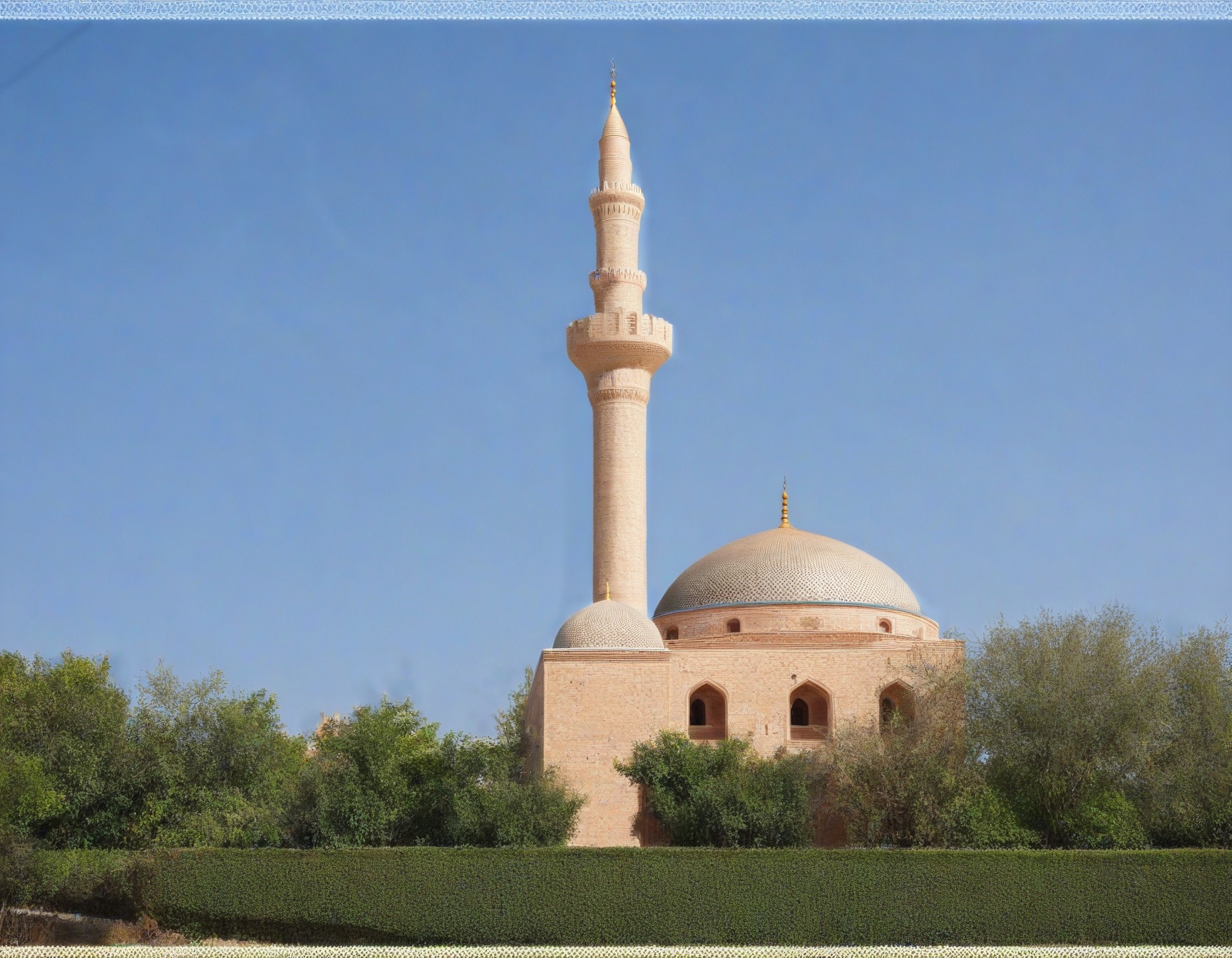
One of the most striking features of the Lala Mustafa Pasha Mosque is its stunning façade. The intricately carved stonework and towering pointed arches are quintessential elements of Gothic design, while the large rose window above the entrance adds an air of elegance and grace. The mosque’s slender minaret, added during the Ottoman period, contrasts beautifully with its Gothic base, symbolizing the blending of two distinct cultures.
Inside, the mosque’s simplicity reflects Islamic traditions. The ornate decorations typical of Gothic cathedrals were removed during its conversion, leaving an open and serene space for worship. The high vaulted ceilings and tall columns remain, showcasing the craftsmanship of medieval builders. The play of light filtering through the windows adds to the tranquil ambiance, making it a peaceful retreat for reflection and prayer.
The surrounding courtyard is another highlight. Shaded by ancient trees, it offers a quiet spot to admire the mosque’s grandeur from different angles. The courtyard also features an ablution fountain, used by worshippers for ritual cleansing before prayers. This combination of architectural beauty and spiritual significance makes the mosque a unique landmark in Famagusta.
Cultural Significance
The Lala Mustafa Pasha Mosque is more than just an architectural gem; it is a symbol of Famagusta’s diverse history. Its transformation from a Catholic cathedral to an Islamic mosque reflects the island’s complex past, shaped by various civilizations over centuries. The building stands as a reminder of how different cultures have left their mark on Cyprus, creating a rich and multifaceted heritage.
Today, the mosque remains an active place of worship for Muslims in Famagusta while also welcoming visitors from around the world. Its dual identity as a historic monument and a religious site fosters a sense of unity and coexistence, highlighting the importance of preserving cultural landmarks for future generations.
Visiting Tips
If you’re planning to visit the Lala Mustafa Pasha Mosque, there are a few things to keep in mind to make your experience enjoyable and respectful. The mosque is located in Famagusta’s old town, which is easily accessible by foot or car. The surrounding area is filled with other historical sites, charming cafes, and local shops, making it a great destination for a day trip.
When visiting the mosque, remember that it is an active place of worship. Modest clothing is recommended, and visitors may be asked to remove their shoes before entering. Women may also need to cover their heads; scarves are often provided at the entrance if needed. Photography is usually allowed but be mindful not to disturb worshippers.
The best time to visit is during the morning or late afternoon when the light enhances the building’s stunning details. Guided tours are available for those who want to delve deeper into its history and architecture. Alternatively, you can explore at your own pace and soak in the serene atmosphere.
The Lala Mustafa Pasha Mosque is more than just a historic building; it is a living piece of Famagusta’s vibrant past and present. Its unique blend of Gothic and Islamic architecture tells a story of cultural transformation and resilience, offering visitors a glimpse into Cyprus’s diverse heritage. Whether you’re drawn by its architectural splendor or its historical significance, this remarkable mosque is sure to leave a lasting impression.
So next time you find yourself on the island of Cyprus, don’t miss the chance to explore this extraordinary landmark. The Lala Mustafa Pasha Mosque is not just a treasure of Famagusta but a symbol of how history and culture intertwine to create something truly timeless.
Post Comment